Key Highlights
- After a hail storm, you should first make sure everyone is safe. Then you need to take photos or videos of the damage. This will be useful for your insurance claim.
- You should know the common signs of hail damage. Look for things like dents on the siding or missing granules on shingles. This helps you see how bad the damage is.
- Severe weather can create a lot of problems. So, take quick action to stop more damage, such as putting something over broken windows.
- Filing an insurance claim might feel tough. If you know what mistakes to watch out for, you can keep your repair costs down.
- You should call a roofing expert to check your home. A professional can look for all signs of hail damage and give you an exact repair estimate.
Introduction
A hailstorm can be a very stressful time for any homeowner. The noise of hail hitting your roof and windows can be loud and scary. When big chunks of ice fall from the sky, they can cause significant damage to your property. This could be to your car, your home’s outside, or both. After the storm passes, you may feel worried about how bad the damage is. This guide will show you the steps you should take. It will help you handle the cleanup with peace of mind and feel more confident.
Understanding Hail Damage and Its Impact
When hail strikes, it can cause anything from small marks to big problems in your home or car. The severity of the storm damage depends on how large and fast the hail is. Even if hail seems small, it can still cause damage as time goes by if you do not fix it.
It can be good for you to know about the types of hail damage that might hit your property. When you see these signs, it is the first thing to do before you get repairs. In the next part, we will talk about how hail can harm different areas of your home and what you should check for.
How Hail Affects Roofs, Cars, and Property
Hail stones can do a lot of damage to many parts of your house. The roof is one part that gets hit hard by the hail impact. When big chunks of ice hit the shingles, they can remove their protective layer. This can make the roof get old fast and get leaks. Gutters and downspouts may get bent or blocked as well, and this can stop water from draining the right way.
A severe storm can hit your vehicle hard. Hail often makes dents on the hood, roof, and side panels of your car. Many times, you can fix these dents with PDR, which means paintless dent repair. This technique helps remove a dent without messing up the paint. If you do not have a garage, a carport can give the car some cover.
Aside from your roof and the car, there are other parts of the home that can be damaged. The siding can crack, and the window screens might get torn. If you know about these problems, you can look over the house well after a storm.
Different Types of Hail Damage You Should Know
Knowing about the common types of hail damage can help you find out how bad the problem is. Some damage from hail is just looks, like small dings. Other types of hail damage can hurt your home and its strength. The size of the hail, which people often talk about as the diameter, will change how much damage there is. Even minor hail damage may look like it is not a big deal at first. But these small problems can turn into bigger issues over time.
Even if you see only cosmetic damage on your roofing or siding, it can still hurt their protective layers. This can make them open to more weather problems later. For example, granule loss on shingles may not seem like much damage at first. But this loss shows the asphalt layer underneath, letting UV rays reach it and making it wear out faster.
Here are some common types of hail damage you can find:
| Damage Type | Description |
|---|---|
| Dents and Dings | Small, circular depressions on metal surfaces like siding, gutters, or car hoods. |
| Granule Loss | Hail knocks off the sandpaper-like granules from asphalt shingles, leaving bald spots. |
| Cracks and Splits | Hail impact can cause cracks in vinyl siding or split wooden shingles. |
| Bruising | Hail can bruise the shingle mat, creating soft spots that feel like a bruised apple. |
What to Do Immediately After a Hailstorm
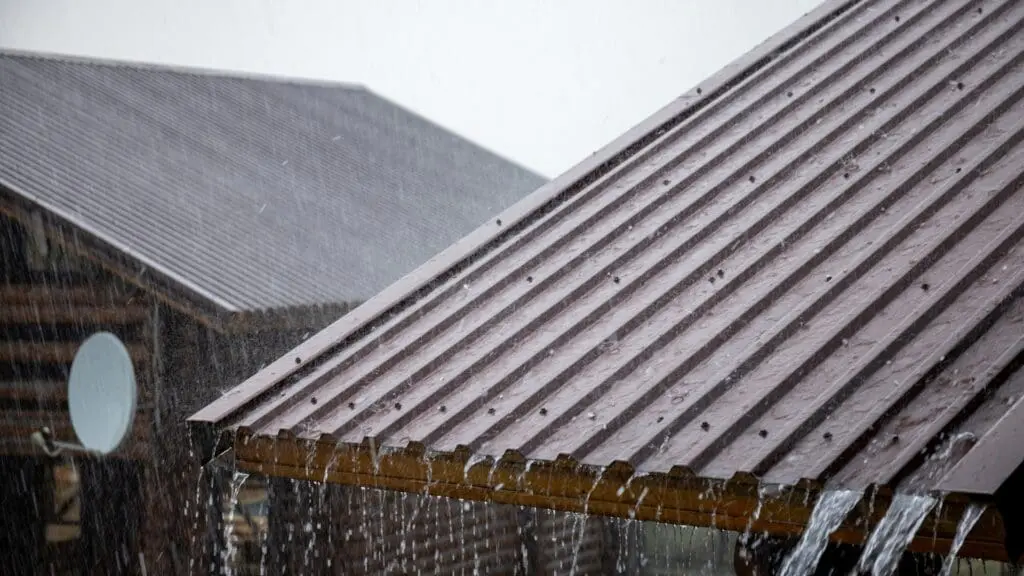
Once the storm is over and it is safe to get outside, you should first check everything and try to stop any more storm damage. This is the first thing you should do to keep your property safe and get ready for repairs. If you act fast and do things the right way, it can help you control repair costs and make it easier when you have to talk to your insurance coverage company about storm damage from the hailstorm.
It can feel hard to know what to do next, but having a clear plan can help. The first things to do are to make sure your family is safe and to record any damage. Every step matters. Here, you will find the best safety tips and steps you should follow to stay protected right away.
After a severe storm, the safety of you and your family is most important. Before you look at your home, be careful about things that can harm you like fallen power lines or broken glass. If you think there is big damage to the structure, wait for a professional to check it before you go into any part of your home.
Look out for signs of danger in your home, like water damage or leaks. Water can lead to trouble with electricity and can make your walls or ceilings weak. If you see this, act fast because it can stop bigger problems, like mold or rust, from starting. Be sure to take photos of these problems. Your insurance company will need them.
Here are a few quick safety precautions for you to take:
- Look out for any power lines that might be down and report them right away.
- Be careful of any broken glass from windows or doors.
- Check if there are leaks near your electrical outlets or appliances.
- If there are leaks in your roof, put a bucket under to catch the water and keep your floors safe.
Initial Actions to Protect Your Property From Further Damage
Taking quick steps right after storm damage can help you avoid higher repair costs later. Put plastic over broken windows or board up big gaps. This will keep water and bugs out of your home. Doing these things is important to keep your place safe while you look for a better fix. It helps give you peace of mind.
It’s a good idea to look over your insurance policy now. Make sure you know what is covered and what your deductible is before you file an insurance claim. Take clear photos and videos of all the damage you see. Do this before you make any repairs to your place. Having this proof is important when you file your claim. It will help you get fair payment for the damage.
Here are some key actions to take:
- Cover any broken windows or holes in the roof with tarps or plywood.
- Take away any debris that may cause more damage or block water from draining.
- Take clear photos and write notes so you have a record of all the damage you see.
- Call your insurance provider to let them know you might need to make a claim.
Inspecting Your Property for Hail Damage
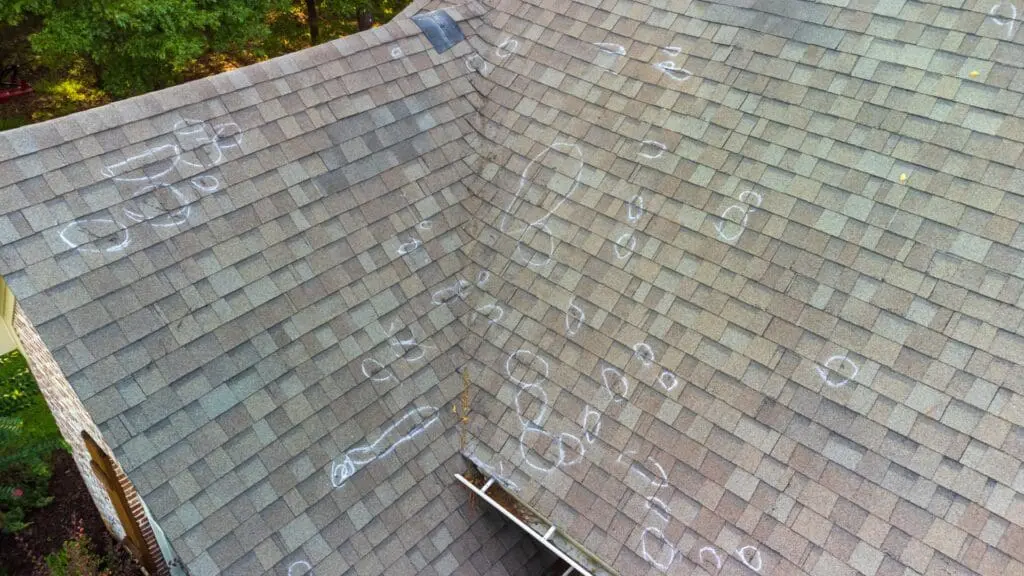
After there is severe weather, it is important to check your property well. You should look for the signs of hail damage, as these can be easy to miss. Even small or minor damage from hail can turn into bigger issues if you do not fix it. This is why taking your time to do a proper check for the common signs of hail damage is a good idea.
Knowing what you should look for and where to find it is key if you want your self-inspection to go well. This can help you know if it’s time to call a roofer or begin the claims process. The next parts will show you the signs to watch out for and give tips on how to check your roof yourself in a safe way.
The first thing to do is to know the signs of hail damage. You should check your roof and see if there are any problems with your asphalt shingles. Hail can knock off the small pieces on top of the shingles, leaving dark spots. You may feel soft spots on the shingles, and these are called bruises. Over time, these damaged places can cause leaks in the roof.
Hail can leave marks on your home’s siding. If you have aluminum siding, you may see dents. Vinyl siding can crack or get holes in it when hit by hail. Take time to look at your gutters and downspouts, too, since these often show dents first after a storm. Check your windows as well for any cracks or chips in the glass or damage to the frames.
Here are some signs of hail damage you should watch for:
- You may see dents or dings on the gutters, downspouts, and metal roof flashing.
- Cracks, chips, or holes can show up in the siding or windows.
- The loss of granules from asphalt shingles might end up in your gutters.
- You could feel bruised or soft spots on the shingles of your roof.
You can do a quick check yourself before you call a roofing expert. Walk around your place and look at the roof and other surfaces from different angles. This is a good way to see small dents and dings from hail that you might miss if you only look from one side. The light in the morning or evening can make these damages show up better.
Check the soft metal parts first, like your AC, mailbox, or gutters. These will show hail damage better than other places. If you see dents on them, it is likely that your roof and siding also have damage. Also, look at your carport, deck, or other things outside for more signs of hail damage.
Here are some tips for your DIY inspection:
- Walk around your whole house. Look at your siding and roofing from different distances and directions.
- Use binoculars if you want to see your roof better, but want to stay safe on the ground.
- Check for any roofing shingles that may have fallen. See if you find a lot of shingle granules in your yard or by the downspouts.
- Look closely at outdoor things like your fences, AC units, and patio furniture to see if there are any dents.
Beginning Restoration and Roof Repair After Hail Damage
After you look at the storm damage, the next step is to start fixing and restoring your roof. You have to work with a good general contractor and your insurance company. They help you repair your property. The main focus at this time is to handle repair costs and make sure the work done is good.
A professional roofing contractor will give you a clear estimate of the cost. They can also help you understand what needs to be done for your repair. When hail damages your roof, there are a few common repair steps. These can help you know what to expect during this time. You should also think about some key points about your insurance claim. Handling your roofing project and talking with the insurance company can feel tricky, but help is out there.
Common Roof Repair Solutions Used After Hailstorms
The kind of roof repair you need will depend on what your roof is made of and how much damage there is. If your roof has asphalt shingles, you might only need to swap out the broken shingles if the problem is small. But if you see a lot of the tiny gravel pieces are gone, or if the shingles feel bruised, then you could need a new roof. This helps stop leaks and keeps your home safe.
For metal roofs that have a lot of damage, you may need to replace some panels. This helps stop rust and keeps away corrosion in places where the roof has been hit. Cedar shake roofs can get cracks and splits. In these cases, you should change only the shakes that are hurt. A professional roofer can look at your roof and tell you if you just need a small fix or if you should get a whole new roof. This can help you know the repair costs and what is best for your home.
Common repair solutions include:
- You can change out any asphalt shingles that are damaged by themselves.
- It is possible to patch or put in new pieces of siding when there is damage.
- A dent in a metal surface can be fixed without paint.
- If there is substantial damage across the roof, you may need a full roof replacement.
Mistakes to Avoid When Dealing with Insurance Claims
Dealing with the claim process can feel tough, but when you avoid common mistakes, things get easier. One big mistake is not knowing what your policy covers. Before you start your claim, be sure to check your deductible. Know if your policy uses actual cash value or will pay replacement cost value, since this decides how much money you get. Also, make sure your insurance has comprehensive coverage for things like hail.
Another mistake people make is not keeping full and clear records. Always write down everything when you talk with your insurance company and the adjuster. Do not rush and take the first offer if you feel it is too low. You can ask for another opinion from a roofing expert you trust, like Wise Builders Roofing and Renovations.
Here are some mistakes to avoid:
- Many policies have a set deadline, so waiting too long to file a claim can be a problem.
- It is good to get a roofer to check your roof before the adjuster comes.
- Do not sign any contract with a contractor before your claim is approved.
- Do not throw out damaged items before they get looked at and inspected.
Conclusion
After a hailstorm, it can be hard to know what to do next. The first thing you should do is check that you and your family are safe. Then, take time to look over your place to see what damage the storm may have caused. The sooner you start, the better it will be for your home and your peace of mind.
It is a good idea to reach out to repair workers or pros early. Doing this will help stop small problems from turning into big ones. They can also help you with any insurance help and give you a clear plan. You should get quotes from several trusted people. This way, you know you are getting good help for your home.
Learning what steps to take after a hailstorm keeps your home safe. It also helps you feel sure that things will get better soon.
Frequently Asked Questions
What tools or resources can help me track recent hailstorms in my area for damage assessment?
To keep up with recent storms near you and check for damage, you can use online tools. Some options are National Weather Service Storm Reports, local news weather trackers, and special hail tracking sites like HailMap and Hail Trace. These resources help you know when storms happen near your house. This makes it easier for you to find signs of hail damage and gets you ready for the insurance claim process. They support you through your claim and help you gather the facts you need.
What is hail damage?
Hail damage refers to the physical harm caused to structures, vehicles, and landscapes by hailstones during severe weather. These ice pellets can create dents, cracks, or even punctures in roofs, siding, and glass surfaces. Prompt assessment and restoration are crucial to prevent further issues and maintain property integrity.