Key Highlights
- You need to know about roof warranties before you pick a roofing contractor for your new roof.
- Roof warranties can help protect you if there are material defects or installation errors. This will give you peace of mind.
- There are two types of roof warranties. One is manufacturer warranties, which cover your materials. The other is workmanship warranties, and these come from your roofer.
- Be sure to read your warranty coverage. You need to know how long it lasts, and some rules can take away your warranty protection.
- It is a good idea to pick a certified contractor. This will help keep your warranty valid and give you strong warranty protection.
- A strong warranty also shows the contractor trusts their work and the roof materials they use.
Introduction
Getting a new roof is a big deal for anyone who owns a house. You want to know your money is safe, and that your roof will last for a long time. That is why roof warranties are important. A good roof warranty can be like a safety net. The warranty can help you avoid surprise costs if the materials break down or if there are mistakes when the new roof goes on.
When you get someone to work on your roof, ask them about the roof warranties they have. It matters as much as the things they use to fix your roof. Now, let’s talk about why roof warranties are good for your house.
Understanding Roof Warranties in 2026
A roof warranty is a promise. It says that your roofing system will work the way it should. This promise can come from the people who make the roof. It can also come from the contractor who puts the roof on. There are several warranty options you can choose from. Some manufacturer warranties are simple. They only cover problems with the materials. Other plans give you more. They also cover the cost of labor.
The warranty period for your roof can be different with each company. So, you need to know what you get with the warranty. It is good to learn about the types of roof warranties. This will help you choose what is best for your home. You want to make sure that you have the right protection. In this guide, we talk about roof warranties. We also look at how they have changed over time.
The Role of Roof Warranties When Hiring a Contractor
When you pick a roofing contractor, make sure you check the warranty they give. A strong warranty shows that the company trusts their work and what they use. A strong warranty also gives you peace of mind. If something goes wrong, you will not have to pay a lot to fix it.
Workmanship warranties are very important. They help if there is any mistake when your roof goes in. A lot of people have roof problems because some work was not done right at the time it was put in. A reputable contractor will give you a strong workmanship warranty. At Wise Builders Roofing and Renovations, we give a 2-year workmanship warranty for our roofs. This way, you get protection if there is any problem with the install.
At the end, you should think about the warranty period and warranty coverage you get. This is a key thing when you pick a contractor. A contractor who offers a strong warranty cares about their work and customer satisfaction. This makes them a better and more trusted choice when you need roof repair or a roof replacement.
How Roof Warranty Trends Have Changed for Homeowners
The way warranty options for your roof work is not the same as before. Now, you get better warranty protection that covers more things. By 2026, you will find that more companies and the people who work for them will give you different types of warranties. These types of warranties do not only cover roof materials. The new warranty options offer more value and let you feel safer about your roof.
These days, many people see full system protection as common in the roofing industry. This type of warranty is good because it covers the whole roofing system, not just the shingles. You have to use all the parts from the same company and have them installed by a roofer with a certificate. When you choose a type of warranty like this, it is easier to get help or make a claim if you need to. You can feel good, knowing that all parts of your roofing system will work right together.
Key warranty trends for homeowners include:
- Longer Non-Prorated Periods: Many warranties now let you have the full replacement cost for several years. Most offer this benefit for 10 years or even more.
- System Coverage: The warranty looks after all parts of your roof, not just the shingles.
- Transferability: You can give your warranty to a new homeowner. This may help raise your property’s value.
- Enhanced Workmanship Guarantees: Certified contractors are able to give labor warranties. These are backed by the maker.
Key Types of Roof Warranties Offered by Contractors
When you get a new roof, you will notice there are different types of roof warranties to choose from. Roofing companies usually offer a few guarantees. You can get a warranty from the roofing company, and another from the manufacturer of the roofing materials. The types of roof warranties can give you different levels of safety. This can help you feel good about spending money on it.
It is good to know about the different warranty options. This can help you see what is covered if there is a problem. A warranty can help you with things like defects in the shingles. It can also help if there are mistakes made during install. Every warranty option has its own use. Here, we will talk about the main warranty options you should know.
Manufacturer’s Material Warranty Explained
The most common type of warranty is the manufacturer’s material warranty. The company that makes your roofing materials gives you this warranty. It is meant to help when there are any material defects. For example, if your shingles crack or get blisters early from a flaw, this type of warranty will help cover that.
The warranty you get with asphalt shingles often lasts between 25 to 30 years. For metal roofs, the warranty can be even longer. The brand you pick for your home might also offer their own manufacturer’s warranty. But, you should read all the rules that come with it. Many simple warranties only pay for new materials, not for the work to put them on your roof.
You can choose to get coverage in smaller amounts. This means the value will go down as the roof gets older. If you want a full replacement, you may need to buy a better warranty. Before you sign any contract, make sure you know what the manufacturer’s material warranty covers. Also, take time to see what is not covered.
Contractor’s Workmanship Warranty Overview
A workmanship warranty covers problems that start because of the way the roofing contractor put in your roof. This warranty is not the same as the one you get for your roofing materials. The roofing contractor gives you this warranty after doing the work. A workmanship warranty covers you if your roof leaks or gets damage from improper installation. Many people do not know how often this happens.
Common workmanship issues can happen if shingles are not nailed the way they should. This can make them come off in the wind. There are also problems if the flashing is not set right around things like a chimney or vents. If you have to file a claim because the roof was not put on right, you will talk right with your contractor. This helps you get peace, because the person who did the work will be the one to fix any workmanship issues.
A trusted contractor, like a general contractor who works with roofing, should give you a clear and simple warranty for their work. At Wise Builders Roofing and Renovations, we give all our customers a 2-year workmanship warranty. This means we care about good work and quality jobs. A warranty matters only if the company will support it. So, make sure you pick a roofer with a strong reputation.
Enhanced and Extended Warranty Options in 2026
If you own a home and want the best protection, then there are some warranties that give you full coverage. These better and longer plans cover the materials and the work done. You can get these if you use certified contractors to put in a roofing system from one company. This way, all the parts will fit well and work well together.
The warranty benefits you get with these plans are good. You often have a longer warranty period. In many cases, the coverage does not go down as time passes. If something goes wrong during the warranty period, you can get a full replacement. This is better than standard warranties. With standard warranties, the coverage gets less the longer you use the product.
Some of the most important things you need to know about extended warranties in 2026 are:
- Full System Coverage: This helps to protect the shingles, the underlayment, the ventilation, and many other parts that are in the whole system.
- Manufacturer-Backed Labor: The manufacturer is not only backing up the contractor’s work. He also stands by all the labor, too.
- Transferability: Some of these warranties can go to a new owner. This could give your home more value.

What Should You Check Before Signing
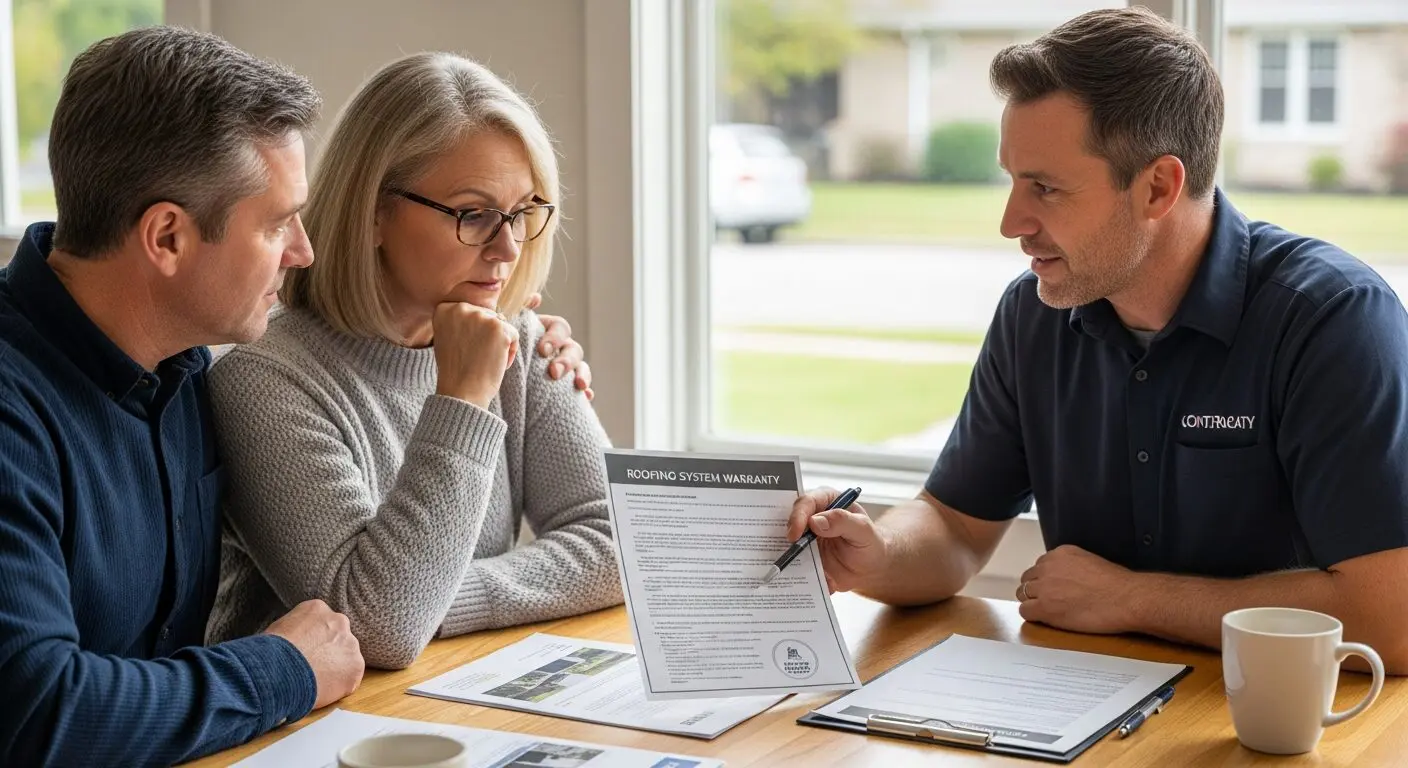
Before you sign any deal with a roofing contractor, take time to read the warranty documents with care. You need to know what the warranty coverage is for the different types of warranties they offer. This can help you steer clear of warranty issues later on. Do not focus only on the warranty period. Make sure you read the details about the types of warranties and see what they can give you.
Every warranty has rules you need to follow. Some things are covered, but some things are not. It is good to know what is included and what is not. This can help you stay away from unexpected expenses and feel better about your choice later. We will point out the important parts of the agreement for you. We will show you what warning signs to look out for. You will also see how new company warranties can be different from the ones given by well-known and trusted companies.
Important Warranty Clauses to Look For
When you read about warranty options, you will see that some parts mean more than others. These details tell you if you get good warranty protection or not. Make sure to check how long the warranty period is. You also need to look at what you must do to keep your warranty protection.
One of the first things you have to do is warranty registration. Many makers ask you or your contractor to register the warranty soon after you put in the product. If you do not do this, you may not get coverage. Also, read the rules on transfer if you think you may sell your home later.
Here are some important clauses to look for:
- Proration: Be sure to know when the value of what you get will start to go down.
- Exclusions: Look at what is not covered, like storm damage or if you do not take care of something.
- Claim Procedure: Find out the steps you need to take when you want to make a claim.
- Labor Costs: Check if the cost to fix or change something is paid for.
Common Red Flags
A warranty can be good for you and give extra protection. But you have to watch out for warning signs, or you might have problems later. The fine print in the deal may have limits you do not see at first. A long warranty period might seem good, but it will not help much if it leaves out many things. You may also find you cannot use it when you need to.
One big thing you need to look for is if the warranty can be taken away too easy. For example, you could put up a satellite dish and then lose it. Some warranties use unclear words when they talk about poor installation or improper installation. This lets the company find many reasons to not accept your claim.
Watch out for these common red flags:
- Unusually Short Workmanship Warranty: If your warranty is less than one year, it can show that the contractor is not sure about their work. This is not good for you.
- Excessive Exclusions: A warranty that does not cover many things such as regular wind damage is not very useful. You may not get much help when you need it.
- No Transferability: A warranty that you cannot pass to others can lower your home’s value if you choose to sell it.
Comparing New Companies vs. Established Contractors’ Warranties
When you find out about the types of warranties, you need to know who gives it. A warranty from a reputable contractor with many years of work can be good. A new company may not have a strong history. A well-known and established business will be more likely to stand by their promise and help you if something goes wrong.
Some new companies may say they will give good warranty coverage to get new customers. But we do not know if they will always keep these promises. A solid contractor often works closely with the makers of the products. This helps them give better warranty coverage. They can usually offer both standard warranties and warranties backed by the maker. A good name is important to them, so they will try to give the best warranty coverage and service they can.
Here’s a general comparison:
| Feature | Established Contractor | New Company |
|---|---|---|
| Workmanship Warranty | Typically 2-10 years, backed by a long history of service. | May be longer to attract customers, but the company’s longevity is uncertain. |
| Manufacturer-Backed Options | Often certified to offer enhanced, full-system warranties. | May not have the certifications or relationships for premium warranty options. |
| Reliability | Proven track record of honoring warranty claims. | Unproven; may go out of business, voiding the warranty. |
| Customer Service | Established processes for handling claims and repairs. | Service quality can be inconsistent. |
How Roof Warranties Influence Quality and Peace of Mind
A good roof warranty is about more than just saving money. It gives you assurance and helps you feel safe. You will know that your roof replacement is covered if there are any installation errors or defects. This helps you feel better about what you chose. A warranty can show that customer satisfaction is a top goal for the contractor. When their work is done well, you feel even better about the job.
Good warranty protection shows that the contractor uses good materials. It means the contractor does things right when working on your home. You can feel sure that the work will last a long time. In this text, we will look at how warranty protection links with good quality. After that, we will talk about why you must read the warranty before you choose someone.
Does a Longer Roof Warranty Mean Better Quality?
A longer warranty period can show that the roofing materials may be better, but this is not always true. Contractors and makers who feel good about their materials often give a long warranty period. They offer this because they trust the materials will last many years. For example, architectural shingles are seen as some of the best roofing materials. These shingles usually come with a long warranty period. Architectural shingles last longer than regular 3-tab shingles, so the warranty you get with them is often much longer too.
But the length of the warranty is just one thing to think about. You also need to know about the different types of warranties and what they will cover. A 50-year material warranty can sound good, but if it does not pay for labor and gets less helpful after 10 years, it might not be good for you. A shorter warranty that always offers the same help, pays for both parts and labor, and does not lose value, may work better for you. So, it is important to look at the types of warranties, not only how long they last.
At the end, having a long warranty is good for you. But you need to read the fine print to know what the warranty benefits are. You also have to think about the company that gives this warranty. A long warranty does not mean much if the company is not good. It will not help you if the company is not there to give you the warranty benefits.
Why Reviewing Roof Warranties Is Crucial Before Choosing a Contractor
You need to look at roof warranties before you hire someone. Do not skip this step. If you do not read the warranty, you can get unexpected expenses later. A roof warranty will protect you from some problems. These problems can happen when the job is not done well or there is a defect. So, read the roof warranties with care and know what is covered.
If you do not read your warranty coverage carefully, you could miss important issues. For example, you may need to pay for labor costs yourself. There may be problems in your area, like damage from strong winds, that your warranty coverage will not cover. A small problem can end up costing you a lot.
Not reviewing your warranty can lead to:
- Denied Claims: There are times when your warranty claims get denied. You may think the warranty covers something, but then find out it does not.
- Unexpected Expenses: You may have to pay for labor, materials, or a full replacement out of your own pocket.
- Voided Coverage: Sometimes, you or someone else can do something by mistake. This can make your warranty no longer work, even if you do not know about it.
Is the Warranty as Important as the Roofing Materials?
Yes, the roofing warranty is as important as the materials you pick. When you have the best materials, your roof will last long and work well. But if the work done on the roof is not right, you can still get problems, even with good materials. A strong warranty helps if something goes wrong with your roof that is not because of the quality of the roofing materials.
A roofing warranty is like a safety net for you. The material warranty will help if there is a mistake made at the factory with any parts of your new roof. A workmanship warranty comes in when you have installation errors, for example, if something goes wrong when people put on your roof. You need both warranties to feel safe. If your new roof leaks because the flashing is not done right, the material warranty will not help. Only the workmanship warranty from the contractor covers installation errors on your roof.
Think about the materials and the warranty as two things that go together. The materials help you get a strong product. The warranty shows that it is made the right way. Both matter if you want real warranty protection and peace of mind for many years.
Conclusion
To sum up, people need to know about roof warranties when they hire a contractor in 2026. There are different types of warranties you can get. Take some time to read about each type. Look at the terms and what could go wrong with your roof. This will help make sure your roof lasts a long time.
At Wise Builders Roofing and Renovations, we want you to feel good about your project. This is why we give a 2-year workmanship warranty on all our roofs. You can also get manufacturer warranties, depending on which shingles you pick. When you read about the different types of warranties, you will feel better about what you choose. It is a smart way to look after what you have. If you want more details or want to see options that fit you, ask us for quotes now!
Frequently Asked Questions
Are there any location-specific factors to consider for roof warranties in the United States?
Yes, where you live can change things. If you are in a place with extreme weather events like strong storms or heavy snow, you should check your warranty coverage. It’s a good idea to find out if your plan covers storm damage. Some plans have specific guidelines for things like wind speed. In these places, you may have to do regular inspections to keep your warranty coverage active. This way, you can be sure your warranty will help you when you need it most.
What are the benefits of having a contractor workmanship warranty in addition to a manufacturer warranty?
Having a contractor workmanship warranty ensures that your roof installation meets industry standards. This warranty covers any errors during installation. In 2026, choosing a contractor with this warranty enhances durability and protection, ultimately leading to fewer costly repairs and increased trust in your contractor’s expertise.