Key Highlights
Here are the main points from our guide on storm-resistant roof installations:
- Expert roofing contractors pick quality roofing materials that have strong impact resistance. This helps your roof stand up to extreme weather conditions.
- Properly installing is a must. When installers use better fastening methods for high winds, your roof gets its best defense to stay in place during storms.
- Roofing contractors adjust the way they work for every climate. They look at things like heavy snow, extreme heat, and all types of weather conditions your area might have.
- Good sealing and flashing matter a lot. These stop water infiltration, which is key during heavy rainfall or when heavy snow melts fast.
- Regular inspections and quick fixes find and solve potential issues early. This can save you from big and costly repairs after bad storms or extreme weather.
Introduction
Your roof is the main shield for your home when bad weather hits. In times of harsh weather, like heavy rain or strong wind, you want to know that it will hold up. Good roofing contractors pick certain materials and use ways that help your roof last through many weather conditions. A proper installation means more than just putting on new shingles. It is a whole system made to protect your home and your family for many years. With this, you can feel real peace of mind no matter what harsh weather conditions come your way.
Understanding the Impact of Storms on Roof Installations in the United States
Storms can be very tough on your roof and make the roof’s lifespan much shorter. Severe weather like high winds and hail can bring a lot of trouble. This can lead to small leaks or even big structural damage. Over the years, these extreme weather events make your roofing materials weaker. This means that it will not do as well when there is more severe weather up ahead.
This is why it is so important to take action before problems happen. You need to have annual inspections. With these checks, you can find weak areas on the roof before a storm comes. This gives you time to do any repairs that are needed. Knowing about your roof’s wind resistance and its general shape can help you stop water damage and high costs later on.
Common Types of Storm Damage Faced by Roofs
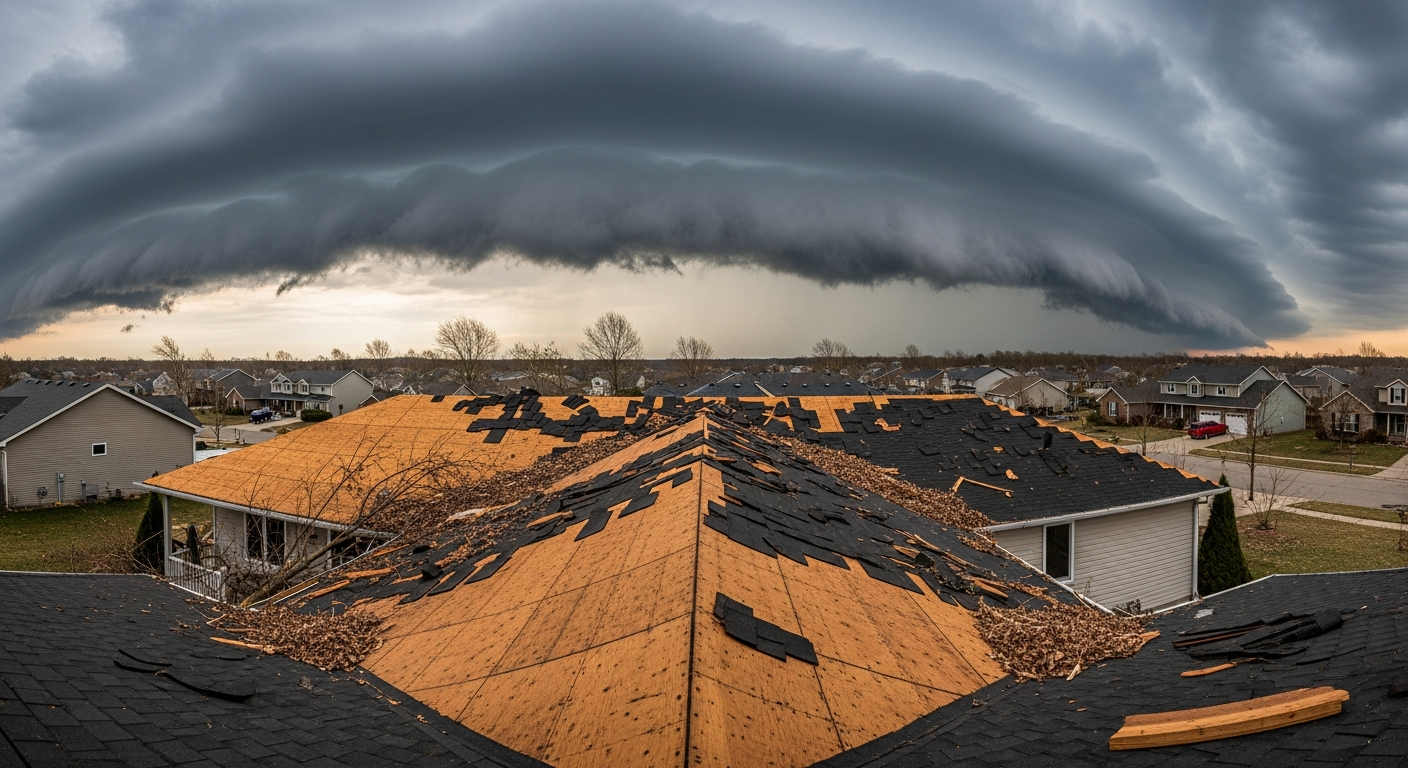
After a strong storm, your roof can get many types of damage. Wind uplift often happens in these storms. During wind uplift, strong wind gets under the edge of the shingles and lifts them. This breaks the seal and leaves the roof open.
Damage from hail is also common. Hail can cause dents, cracks, or even holes in the roofing materials. Water infiltration can then happen when water gets in through these spots.
Extreme weather can slow down a new roof installation. This is because it is not safe for people to work in some weather. Delays can happen when this takes place, and the job can take longer to finish. These problems with extreme weather can quickly get worse. The main types of storm damage that can show up are:
- Wind Damage: Shingles that are missing, moved, or bent.
- Hail Damage: Dents you can see on shingles, gutters, and flashing, or when there is granule loss.
- Water Infiltration: Leaks in the attic or stains that show up on your ceiling.
- Structural Damage: A tree limb that falls and makes holes or causes the roof to fall in.
This kind of water damage can cause many issues with insurance claims. It is important to fix the problem fast. This helps stop more water from getting into your home and hurting its inside or structure. A good roofing contractor can help you. They will take pictures and make notes so you can show your insurance company what happened.
Regional Climate Differences and Roofing Challenges
Different parts of the United States deal with their own unique challenges because of harsh climates. A roof in Alabama has to stand up to hurricane wind speeds and strong UV radiation. A roof up north has to handle heavy snow and ice. Because of these differences, one type does not work well everywhere.
Roofing contractors need to change the way they work based on the local weather. They follow building codes set for that area. These codes say which materials to use and how to put the roof on. In places with intense heat, people like using roofing that can reflect sunlight. This helps cut down on heat absorption. In areas that get a lot of snow, it is important to put an ice and water shield on the roof.
Being able to adjust is key. Picking the best materials and methods for your weather means your roof will work well. It will keep your home safe from the biggest risks, like high winds, heavy rain, or deep snow.
How Contractors Select Durable Roofing Materials
Choosing the right roofing material is key if you want your roof to stand up to extreme weather. A contractor will not just pick what looks nice. They look for roofing material that can last and has good weather resistance and impact resistance. The goal is to have one that will protect you for a long time.
Using premium materials that can stand up to harsh weather is very important. A roofer will look at your local climate. They will suggest what to use so your roof will handle things like high winds, hail, or strong summer heat. This careful choice of materials is the first step to have a roof that can stand up well in a storm.
Factors Influencing Material Choice for Extreme Weather
When contractors pick roofing materials that can handle extreme weather, they look at a few main things. The top thing they check is the weather conditions where you live. A roof that works well in a hot and dry area may not do well where there is heavy snowfall or the weather gets very cold. Since the materials play a crucial role, they want to use things that have shown they can stand up to the weather problems your home may face.
Besides the weather, there are other things that matter. These things are:
- Impact Resistance: The material gets a rating to show how well it stands up to hail and things that fly through the air.
- Wind Resistance: People test the shingles and panels to check how much high winds will affect them.
- Fire Rating: A Class A fire rating is very important in places where wildfires happen often.
- Energy Efficiency: Cool roofing materials can reflect sunlight. This helps bring down cooling bills in hot places.
In the end, you have to weigh how much you spend now against how much you get later. Some strong materials, like metal roofing, have a higher price at first. But, they last longer and need less care. This often means you save money in the long run. This is true, especially when you face harsh weather or extreme conditions.
Comparing Metal, Asphalt, Tile, and Composite Roofs
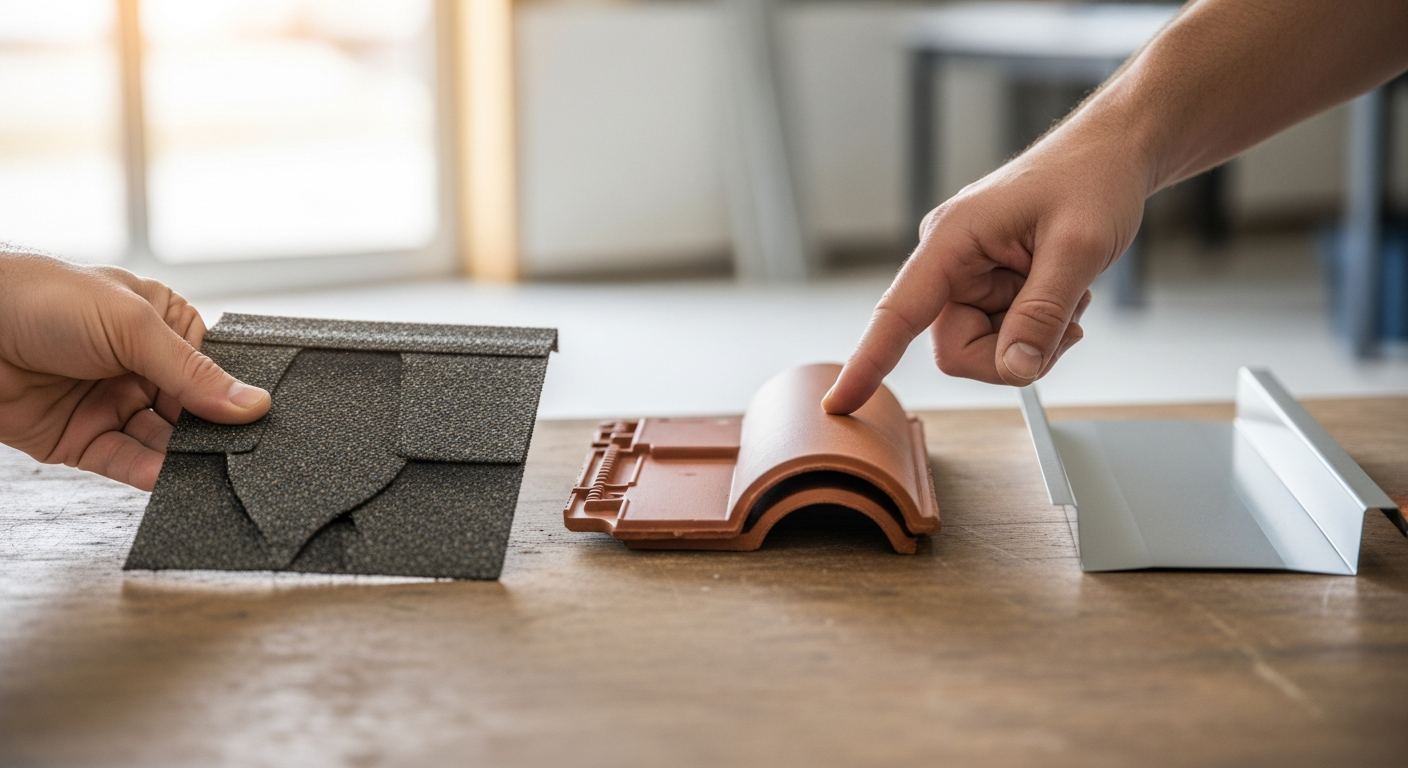
When you look at the different roofing options, it’s good to see how they stand up in severe weather. Metal roofs are known to be one of the best for harsh weather. They can handle high winds very well. Metal roofs are also strong against hail. Another good thing is that they do not catch fire. Because they last a long time, many people who live where storms are common pick metal roofs.
Asphalt shingles are the most common roofing material. They give good results, and some types can handle impacts well. Tile roofing lasts a long time and works great in hot places. But strong hail can sometimes crack it. Composite roofs are made from artificial materials. They are tough, need low maintenance, and look nice. Many of them look like slate or wood shingles but do not have the problems that those come with.
Here is a quick look at how these popular materials compare:
| Material | Wind Resistance | Hail Resistance | Lifespan |
|---|---|---|---|
| Metal Roofing | Excellent | Excellent | 40-70 years |
| Asphalt Shingles | Good | Moderate to Good | 15-30 years |
| Tile Roofing | Very Good | Moderate | 50+ years |
| Composite Roofing | Excellent | Excellent | 40-50 years |
Special Techniques Contractors Use for Storm-Resistant Installations
How long your roof will last in a storm depends mostly on how well it is put in. Expert installation from a skilled roofer is the first line of defense when there is severe weather. During any roofing project, contractors use special ways to make sure it can stand up to the forces of nature.
These ways do more than just putting shingles on the roof. They help make the whole roof structure stronger, so all the parts work together to keep your home safe. With better fastening and better sealing, these best practices can turn a normal roof into one that stands up well during storms.
Enhanced Fastening Methods for High Winds and Heavy Rain
To keep roofs safe from high winds and storms, contractors use special ways to fasten them down. The edges of the roof can be weak when the wind picks up. To stop wind uplift, roofers nail shingles in a certain way. They use more nails for each shingle than what normal building codes ask for. This helps the roof gain better wind resistance and makes sure the shingles stay put.
To give better protection from strong winds, contractors put starter strips along the eaves and rakes. These strips have glue that makes a tight seal at the edge of the roof. This stops wind from getting under and pushing up the roofing materials. This step is very important. It helps to keep the first row of shingles in place, as they take most of the force when the wind blows hard.
It is important to make the bond between the roof deck and the structure stronger. When you use hurricane straps or clips, they help tie the roof to the walls of the house. This gives extra support when there are severe storms. It also helps stop big problems from happening to the house.
Sealing and Flashing for Leak Prevention
To stop leaks on roofs in places that get a lot of rain or snow, roofers do more to keep water out. The parts of the roof that are most at risk are the joints and spots where things stick out, like valleys, chimneys, and vents. It is very important to use the right flashing in these areas. Flashing is usually made of metal. It helps push water away from these spots so it goes into the gutters instead. This keeps water penetration from causing problems.
Contractors do more than just flashing to keep water intrusion from happening. They also use other steps like these:
- Ice and Water Shields: This is a self-sticking waterproof layer that you put on the weak spots before you add shingles. It helps stop leaks from heavy rainfall or ice dams by giving a second layer of protection.
- Roof Coatings and Sealants: When you use good roof coatings and sealants around things like flashing, vents, and anything else that sticks out, you make a tight seal. This helps keep water out and stops it from getting in.
A good roofer knows the best way to stop a leak is to use several layers to seal the roof. They use strong flashing with new types of sealants and underlayments. This mix makes a tough barrier that keeps water intrusion away, even when it tries hard to get in.
Adapting Installation Practices to Sudden Weather Changes
The roofing industry deals with weather that can change fast. A clear sky in the morning can turn into a storm later in the day. This change puts the crew and the roofing project at risk. People who have done this work for years know how to change what they do to keep up with these changes in the weather. They make sure the job gets done in a safe and good way.
You have to plan each step and be ready to make quick changes on the job. A pro roofer will watch the weather forecast and have a plan to keep the site safe. When there is severe weather, they stay ready. They do this to protect your home while the roof is being worked on, making sure the proper installation is not at risk.
Safety Protocols and On-Site Adjustments During Storm Threats
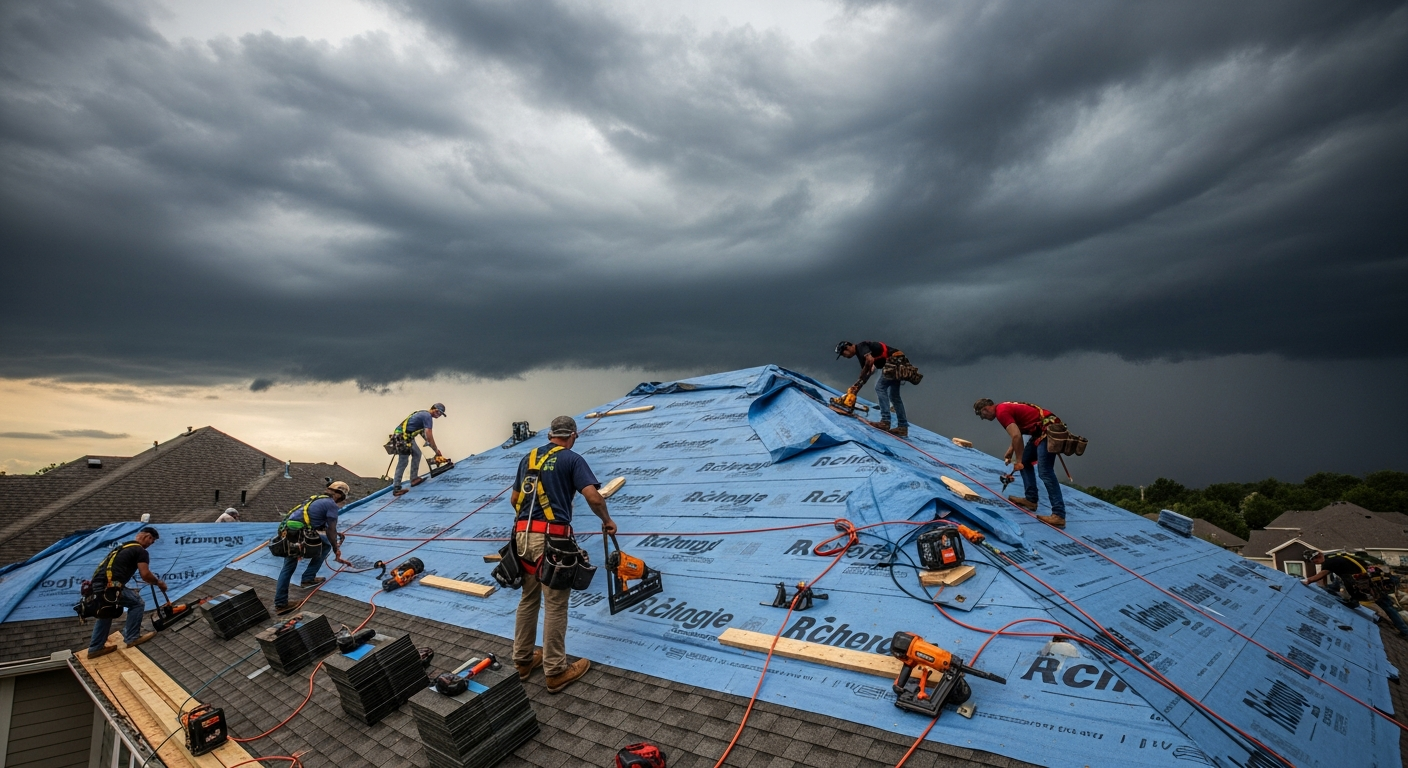
When roofing contractors are working and the weather changes, safety comes first. The crews keep checking the weather with reports and apps that give alerts right away if a storm is near. If the weather looks bad, the crew stops all work on the roof right away to keep everyone safe.
Once the crew is safely on the ground, it is time to keep the home safe. The team will cover any open spots on the roof deck. They use tarps or synthetic underlayment for this. They will make sure these are tight so wind and rain do not get in and cause structural damage. The workers pick up or tie down all loose things and tools. This keeps high winds from turning them into flying objects.
These safety rules help make sure a professional installation goes well, even if the weather changes suddenly. If the general contractor sticks to the right steps and acts fast, they can keep your property safe. Work can start again once the weather resistance of the site is proven and it is safe to do so.
Scheduling and Quick Response Strategies in Unpredictable Climates
Extreme weather can have a big impact on how long it takes to put on a new roof and how this job is done. In places where the weather is hard to know in advance, people who do this work try to be flexible with their plans. They might add extra days in case there are delays because of bad weather. Some also choose to start the job early in the morning to stay away from afternoon storms, which happen a lot during the summer in some places.
A quick response is very important when there is a threat of severe weather. This means you need to take a few key steps:
- Constant Weather Monitoring: Using the best weather tools to see if storms are coming.
- Phased Installation: Working on small and easy-to-handle parts of the roof. These can be made safe fast.
- Material Readiness: Having all things needed at the place. This helps finish each part of the roof fast.
- Clear Communication: Telling the homeowner if there is any delay or change to when the project will be done.
After a storm moves out, the team does quick roof inspections. They do this to check the area before they get back to work. This helps the project go on in a safe way and keeps the quality high, even when there are severe storms.
Ongoing Maintenance Tips from Roofing Experts
When you get a new roof, you need to take care of it. Making sure your roof stays in good shape means it will last longer. Experts say that regular inspections help keep you from running into costly repairs. If you do these simple steps ahead of time, you can keep your roof strong and keep your home’s energy efficiency up. This way, your roof will work well for you for a long time.
Just a little care can do a lot for your roof. If you spot any potential issues early and keep your roof clear of leaves or other things, you can stop small problems before they grow bigger. A few expert tips can help you make sure your roof stays strong and lasts for many years.
Routine Inspections and Early Detection of Storm Damage
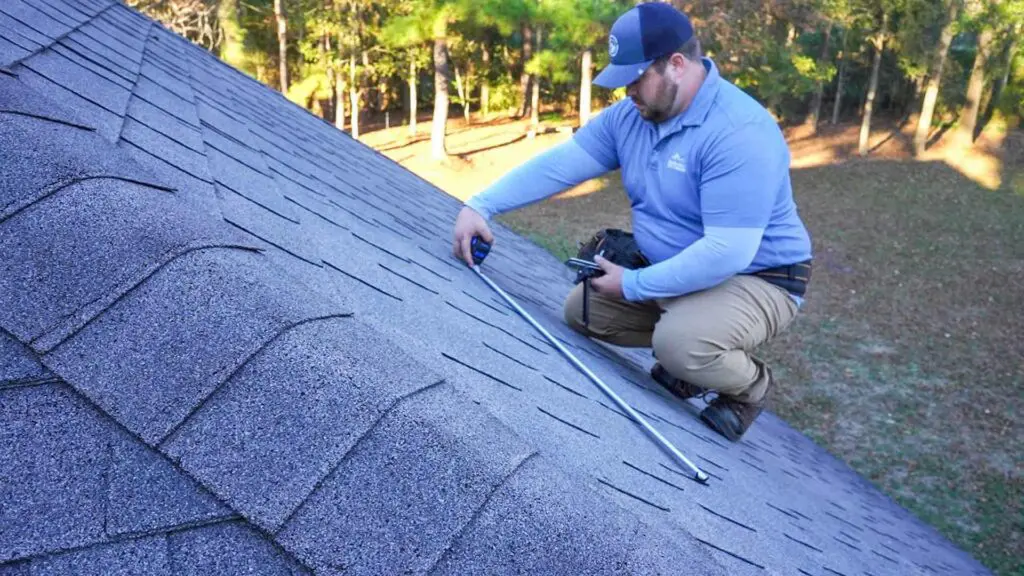
Roofers say it’s a good idea to have roof inspections often. You should do this at least once a year, and again after any strong storm, especially if you live in a place with severe weather. Doing these checks helps you spot minor issues early, so they do not turn into big structural damage. You can do a simple check by looking at your roof from the ground and watching for signs of trouble.
When you check your roof, watch out for these warning signs:
- Missing, cracked, or curling shingles
- A lot of shingle granules in your gutters
- Bent or damaged flashing near chimneys and vents
- Signs of water damage or leaks in your attic or on your ceilings
You may see a few problems with the roof when you look from the ground. But it is always a good idea to have a professional roofer check your roof once a year. They are trained and have the right tools to find damage you can’t see. A roofer will give you a full report and tell you what repair or work is needed. This helps keep your roof in good shape.
Gutter, Ventilation, and Drainage Upkeep for Storm Protection
To help your roof last longer after a big storm, make sure you keep your drainage systems clear. If your gutters or downspouts get clogged, water can back up under the shingles. This can lead to rot, leaks, and ice dams when it is cold. Keeping clean gutters is one of the best ways to stop water infiltration.
Proper ventilation is very important in the attic. An attic with adequate ventilation helps keep the temperature and moisture level just right. This stops heat from building up in the summer. It also keeps moisture from building up in the winter. Make sure the vents are not blocked by debris or insulation. Here are some key things you should do to keep your attic in good shape:
- Clean your gutters and downspouts at least two times each year.
- Make sure soffit vents are free and not blocked by anything.
- Check that the attic ventilation is working in the right way.
- See that the drainage system moves water away from your home’s foundation so the water does not stay near it.
By taking care of these systems, you make sure your roof does its job well. This helps protect your roof from things like water that gets stuck and bad drainage.
Conclusion
To sum up, it is very important for both homeowners and contractors to make sure roof installations can stand up to storm challenges. You can do this by picking tough materials, using special ways to put on the roof, and following strong safety steps. These things help roofs last longer and stay strong in tough weather conditions. Doing regular maintenance and acting fast when a storm comes also helps protect your house from damage. Taking these steps keeps your money safe and gives you peace of mind when the weather gets bad. If you want your roof to be ready for any storm, get in touch for a consultation today!
Frequently Asked Questions
Are metal roofs really better for storm-prone areas?
Yes, metal roofs are a good option for places with severe weather. They have strong impact resistance and can handle strong winds. This means they are very durable. Metal roofs work well in harsh weather conditions and give better protection against hail, rain, and flying debris than many other materials. This helps to keep your home safe when the weather is bad.
How do roofing contractors prevent leaks in heavy rain or snow?
Contractors stop leaks by doing careful sealing. They also make sure to do the correct installation of flashing wherever there are joints or anything passing through the roof. They put in ice and water shields in spots that need extra care. This shield is a waterproof layer. It helps give more protection against water getting in, especially during heavy rainfall or when there is an ice dam.
What is the best way to extend the life of my roof after a major storm?
The best thing you can do to help your roof last after a storm is to get professional inspections right away. This helps you catch minor issues like small leaks or raised shingles early. Fixing these now stops damage from water from getting worse. If you have regular maintenance and fix your roof quickly, your roofing system will stay strong for many years.
What do you wish you had known when you replaced your roof?
When I had a roof replacement, I wish I had known the importance of selecting durable materials suited for harsh weather. Understanding how contractors ensure roof installations last in stormy conditions would have guided my choices. Investing in quality installation can significantly enhance a roof’s longevity and performance.